

When the Message Becomes the Product
On Japanese fortune cookies and the 4.5-million-daily ritual powered by a 0.1 cent.

Fortune cookies were invented in Japan.
They became iconic in American Chinese restaurants after Japanese American owners were sent to internment camps during World War II and Chinese business owners bought their operations.
Nobody planned any of that.
The cookie itself is almost irrelevant. Manufacturers sometimes use it as a loss leader to sell noodles. Profit margins are fractions of a cent. The actual product is a slip of paper inside food.
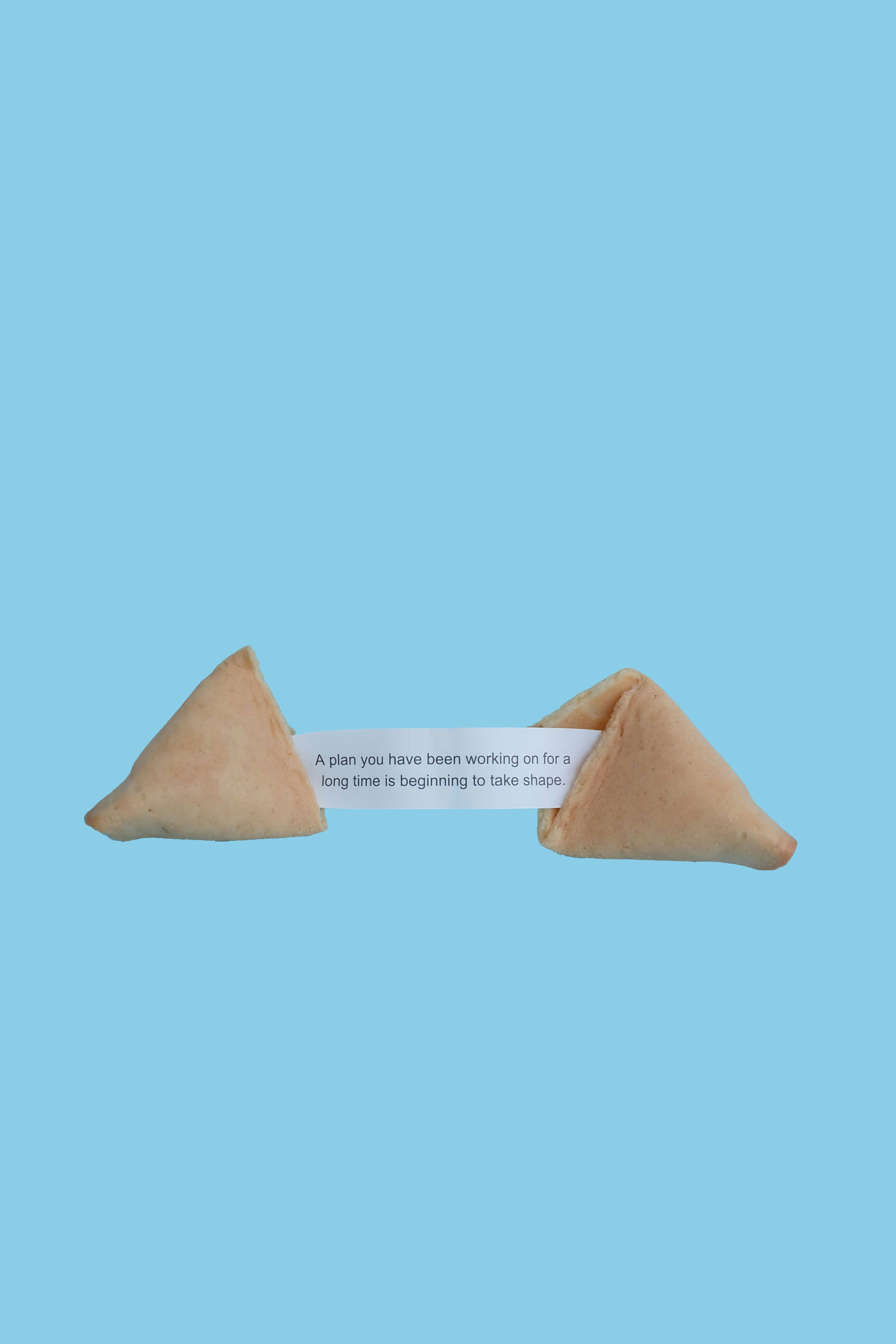
The message became the product. The container became the delivery mechanism. The delivery mechanism became a ritual millions use to feel the universe is talking directly to them, even knowing it was written in bulk by someone in New Jersey1.
Sometimes the slip of paper is just right.
It happens so that the most renowned products are rarely the ones that make the most money. They are the ones that make people feel something real — even when the whole thing is manufactured, automated, and given away for free.
Yours truly,
Irina
Wonton Food Inc. is the world’s largest manufacturer of fortune cookies, producing about 4.5 million fortune cookies daily across multiple U.S. facilities.
💭 If the inner piece made sense, the outer dynamics become much easier to change↗.